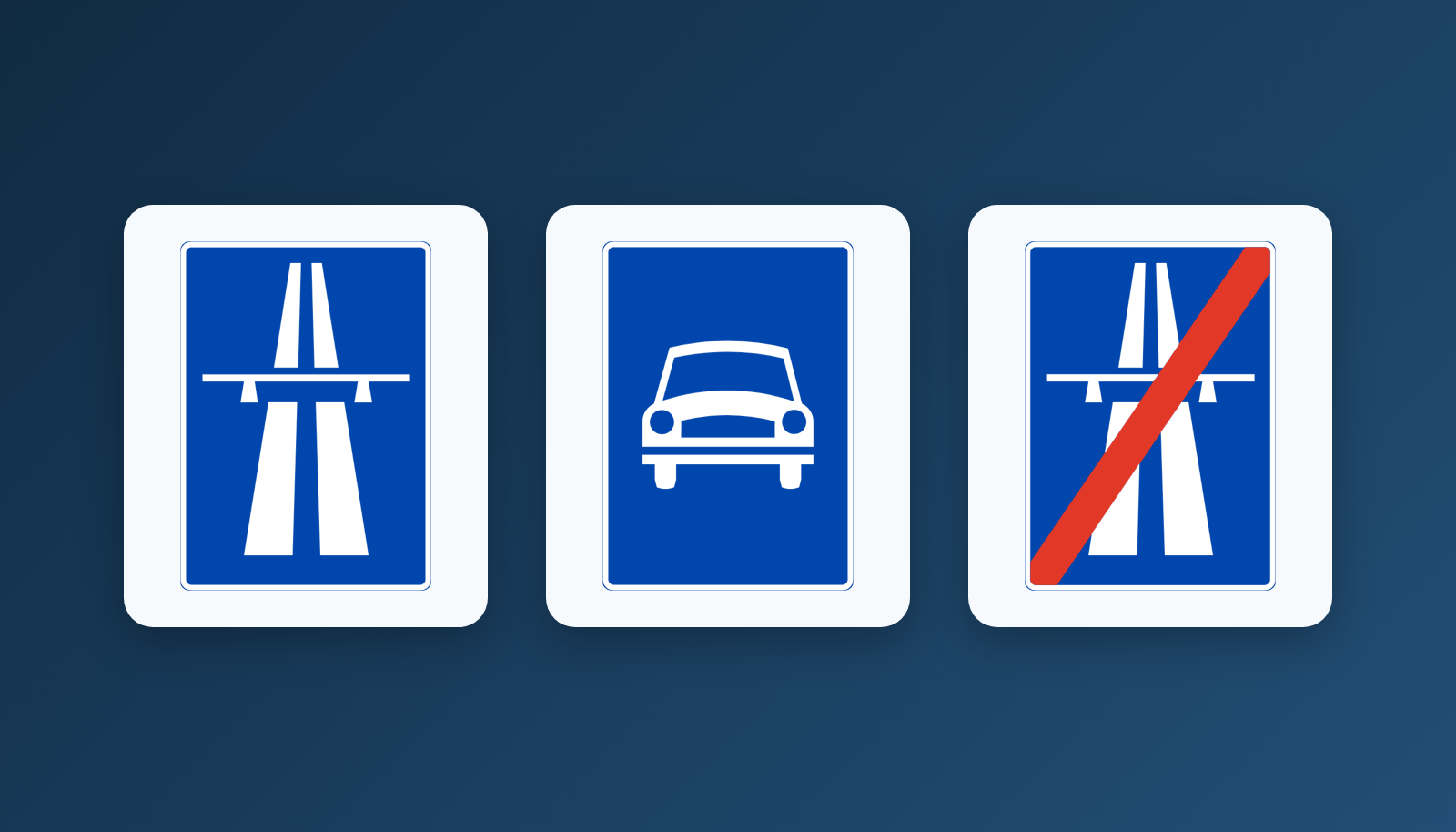
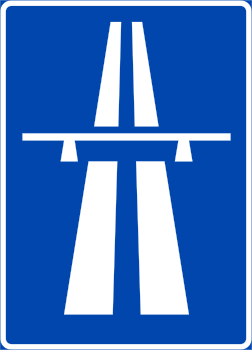
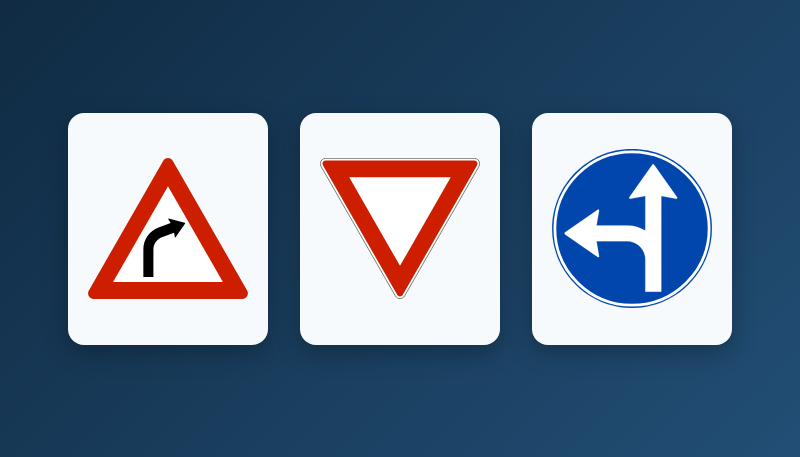
43 signs — each with its official statutory code and name from skiltforskriften, English translation and clear plain explanation. The exact data powering the Teorix theory test trainer.
Updated: 2026-09-23
Official statutory definition — skiltforskriften § 11
«Opplysningsskilt angir at særlige regler, herunder forbud og påbud, gjelder eller slutter å gjelde.»
Information signs indicate that special rules, including prohibitions and mandatory orders, apply or cease to apply. (unofficial translation)
The category name sounds modest, but the statutory definition is much stronger: these signs activate and deactivate special legal rules — motorways, one-way streets, pedestrian streets, residential zones, lanes, and parking. Many signs have a matching «slutt» sign: the special rules apply from the start sign to the end sign.
Class 500 is often underestimated: looking informational on the surface, it directly modifies driver duties. Clear statutory examples: signs gatetun and gågate terminate any prior speed limit sign 362; sign gangfelt (516) marks a pedestrian crossing: where it is not controlled by police or signals, drivers must give way to pedestrians on the crossing or about to enter it; sign motorveg activates strict motorway regulations. Practise identifying which rules come into force past each sign. Pedestrian crossing rules are covered in depth in our guide «Pedestrian Crossing Rules in Norway».
Entries in this study catalogue 43 in catalogue
502
Motorveg
Motorway
Motorveg (motorway): from this sign the special motorveg rules apply, lasting until sign 504 «Slutt på motorveg», sign 503 «Motortrafikkveg», or an exit onto a road that is not motorveg.
503
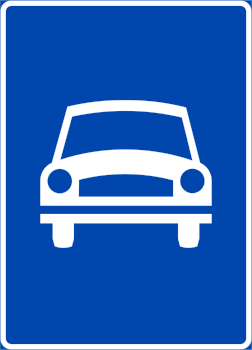
Motortrafikkveg
Motor road
Motortrafikkveg (expressway): from this sign the motortrafikkveg rules apply, until sign 505 «Slutt på motortrafikkveg», sign 502 «Motorveg», or an exit onto a road that is not motortrafikkveg.
504
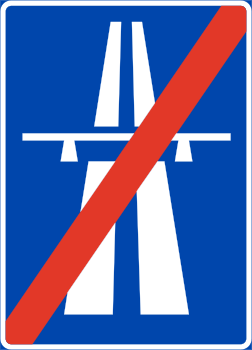
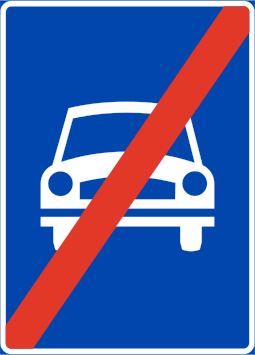
Slutt på motorveg
End of motorway
Slutt på motorveg (end of motorway): the motorveg section ends here and the special motorway rules no longer apply.
505
Slutt på motortrafikkveg
End of expressway
Slutt på motortrafikkveg (end of expressway): the motortrafikkveg ends here and its special rules no longer apply.
506
Tungtrafikkfelt
Heavy vehicle lane
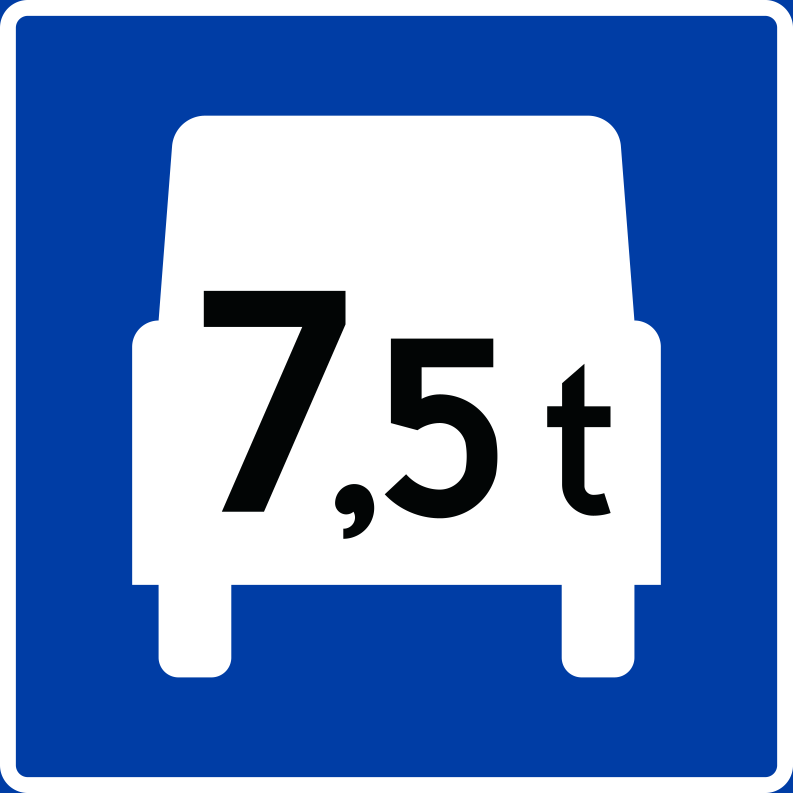
Tungtrafikkfelt (heavy-traffic lane): a lane for vehicles above the maximum weight shown on the sign, valid until sign 507 «Slutt på tungtrafikkfelt» or the first junction.
507
Slutt på tungtrafikkfelt
End of heavy vehicle lane
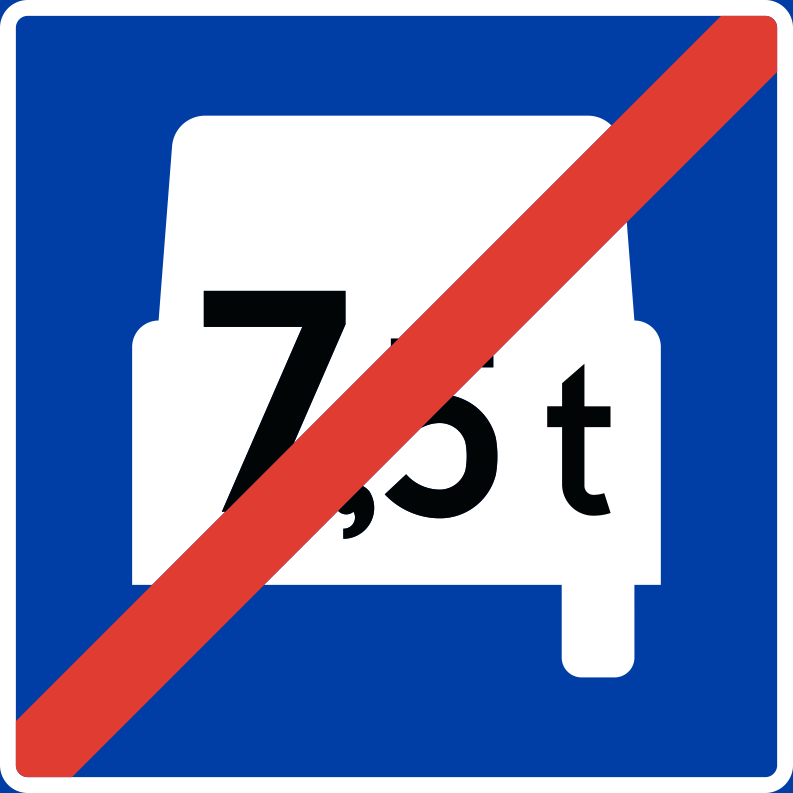
Slutt på tungtrafikkfelt (end of heavy-traffic lane): the tungtrafikkfelt ends here.
508
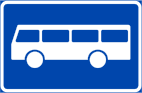
Kollektivfelt
Bus lane
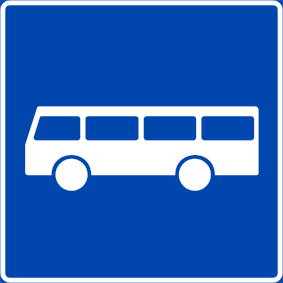
Kollektivfelt (bus lane): reserved for buses (508.1), or buses and taxis with a roof light (508.2), and valid until sign 510 «Slutt på kollektivfelt» or the first junction.
509
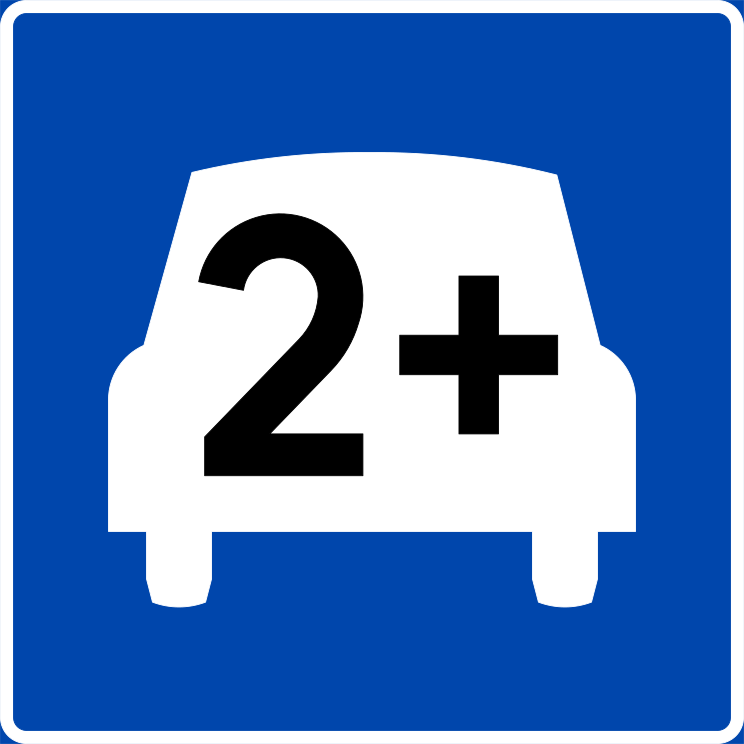
Sambruksfelt
High-occupancy vehicle lane
Sambruksfelt (carpool lane): open to buses and to taxis with a roof light, and otherwise only to vehicles carrying at least the number of people shown on the sign.
510
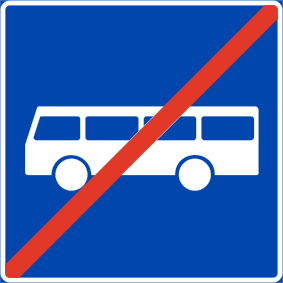
Slutt på kollektivfelt
End of bus lane
Slutt på kollektivfelt (end of bus lane): the kollektivfelt ends and the lane is no longer reserved for public transport.
511
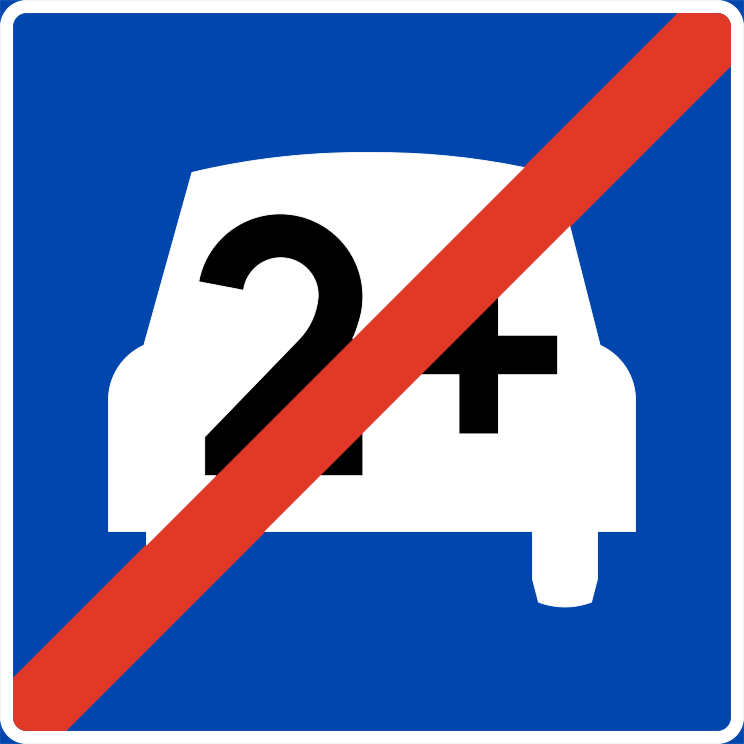
Slutt på sambruksfelt
End of carpool lane
Slutt på sambruksfelt (end of carpool lane): the sambruksfelt ends and the occupancy requirement no longer applies.
512
Holdeplass for buss
Bus stop
Holdeplass for buss (bus stop): there is a bus stop here. Stopping on the widened stretch or within 20 metres of the sign is banned — except boarding and alighting that does not hinder the bus (trafikkreglene § 17).
513
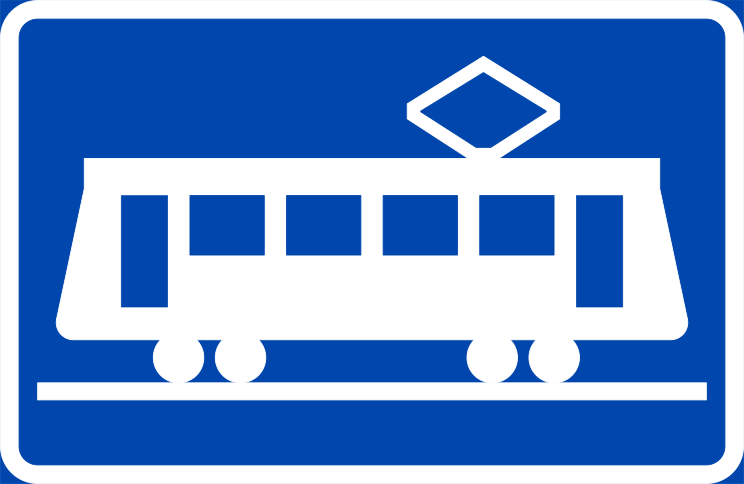
Holdeplass for sporvogn
Tram stop
Holdeplass for sporvogn (tram stop): there is a tram stop here. Stopping within 20 metres of the sign is banned, and when passing on the right of a tram at a stop without a traffic island you must stop and let the passengers through (trafikkreglene §§ 9 and 17).
514
Holdeplass for drosje
Taxi stand
Holdeplass for drosje (taxi rank): there is a taxi rank here. Stopping on the widened stretch or within 20 metres of the sign is banned — except boarding and alighting that does not hinder the taxis (trafikkreglene § 17).
516
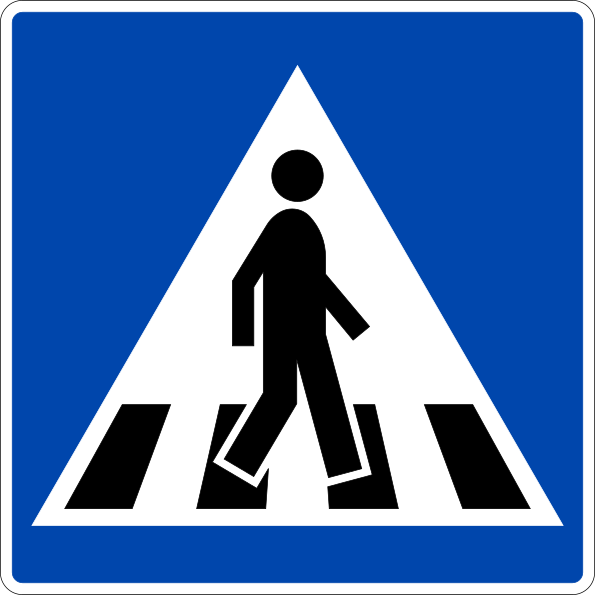
Gangfelt
Pedestrian crossing
Gangfelt (pedestrian crossing): the sign marks a crossing point for pedestrians. Give way to pedestrians in the crossing or stepping into it; stopping in the crossing or within 5 metres before it is banned (trafikkreglene §§ 9 and 17).
518
Gangveg
Pedestrian path
Gangveg (footpath): a road built for pedestrians, where the trafikkreglene rules on using such a road apply.
520
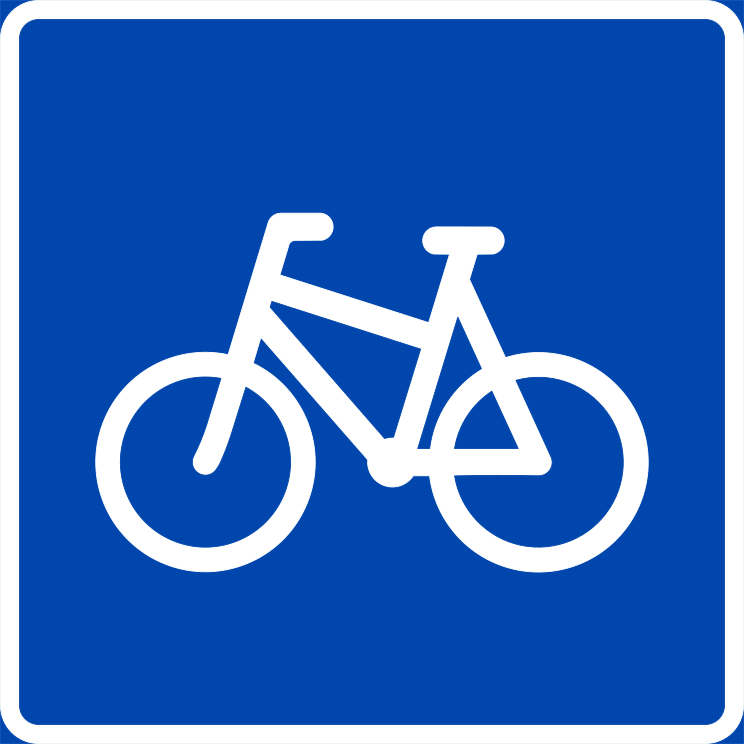
Sykkelveg
Bicycle road
Sykkelveg (cycle road): a road built for cyclists and drivers of small electric vehicles, where the rules on using such a road apply.
521.1
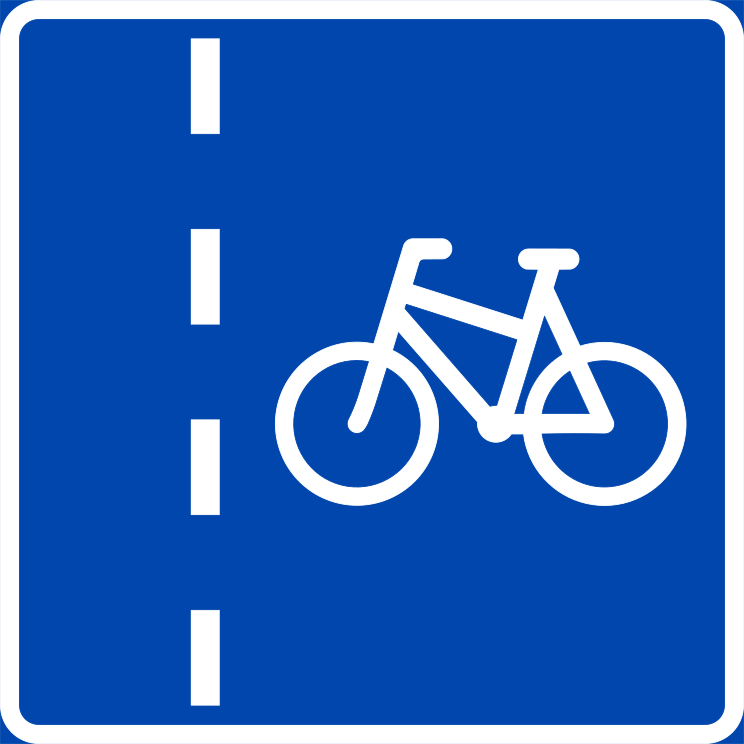
Sykkelfelt – sideplassert
Bicycle lane – side-positioned
Sykkelfelt – sideplassert (cycle lane at the side): the carriageway has its own side lane for cyclists and small electric vehicles. Other vehicles may not use the lane, and stopping in it is banned (trafikkreglene §§ 4 and 17).
521.2
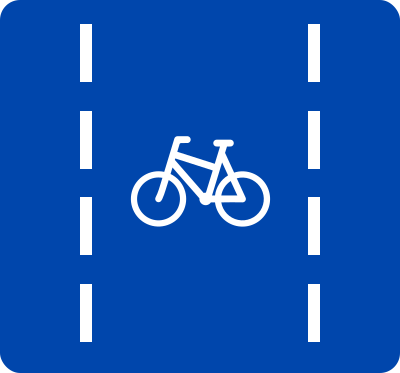
Sykkelfelt – Midtstilt
Bicycle lane – centred
Sykkelfelt – Midtstilt (centrally placed cycle lane): the carriageway has a cycle lane between the traffic lanes, for cyclists and small electric vehicles. Other vehicles may not use the lane, and stopping in it is banned (trafikkreglene §§ 4 and 17).
522
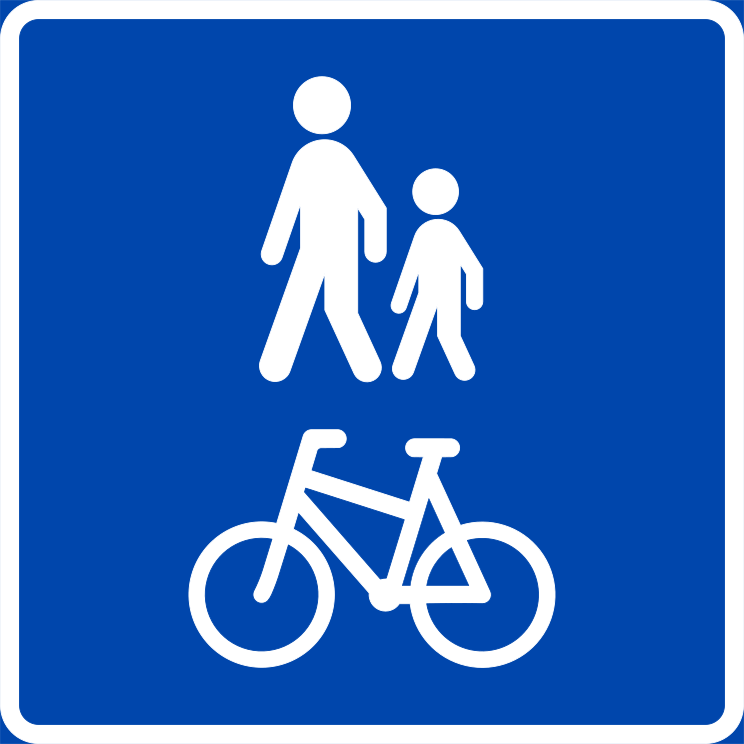
Gang- og sykkelveg
Pedestrian and cycle path
Gang- og sykkelveg (shared foot- and cycleway): a road built for pedestrians, cyclists and small electric vehicles, where the rules on using such a road apply.
524
Møteplass
Passing place
Møteplass (passing place): the sign marks a spot on a narrow road where oncoming vehicles can pass each other. Parking on the widened stretch, in its whole width, is banned (trafikkreglene § 17).
526
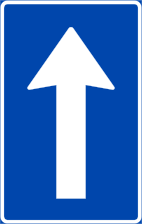
Envegskjøring
One-way traffic
Envegskjøring (one-way street): driving is only allowed in the direction of the arrow, and the sign applies up to the first junction.
527
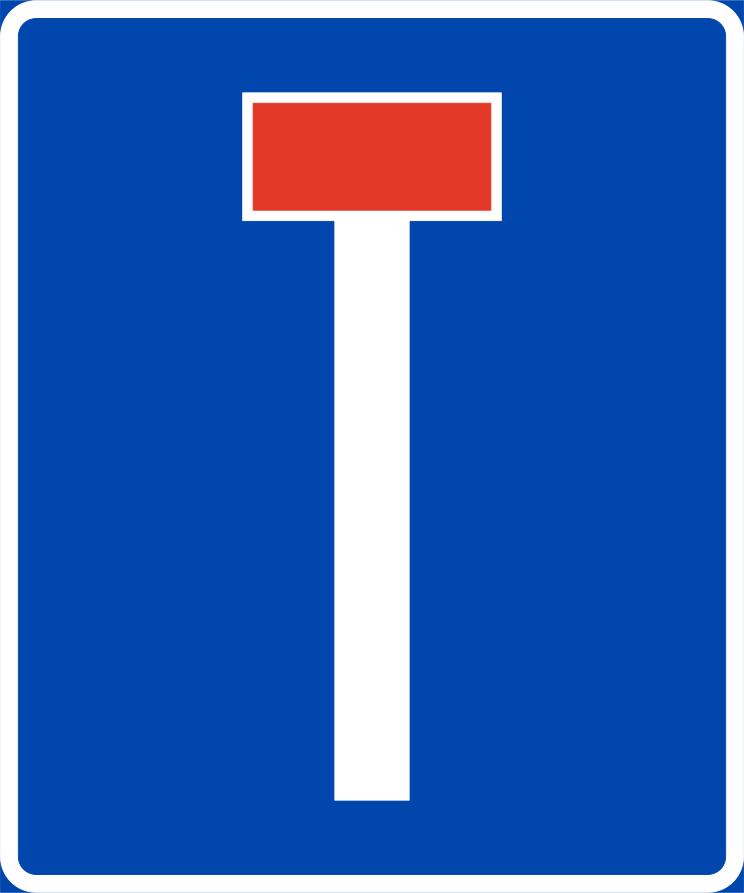
Blindveg
Dead end road
Blindveg (dead end): the road ahead, or the crossing road, is closed — either physically blocked (527.1/527.2) or closed to cars but open to pedestrians and cyclists (527.3/527.4).
528
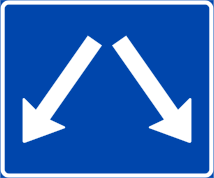
Valgfritt kjørefelt
Optional lane
Valgfritt kjørefelt (optional lane): an information sign showing that drivers may freely choose between the lanes indicated.
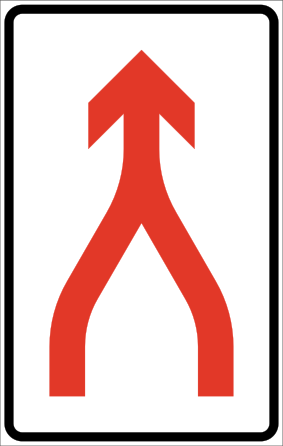
530
Sammenfletting
Merging lanes
Sammenfletting (merging): two lanes are brought together into one, and you must merge with mutual adaptation under the trafikkreglene merging rule.
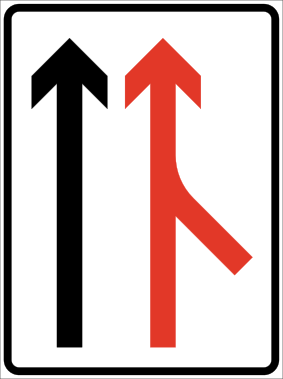
531
Felt for fartsøkning
Acceleration lane
Felt for fartsøkning (acceleration lane): the acceleration lane joins the other lane by merging with mutual adaptation under trafikkreglene.
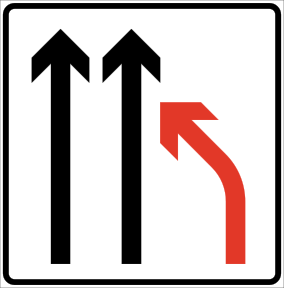
532
Kjørefelt slutter
Lane ends
Kjørefelt slutter (lane ends): your lane ends, you must change lane, and you have vikeplikt under the trafikkreglene rules.
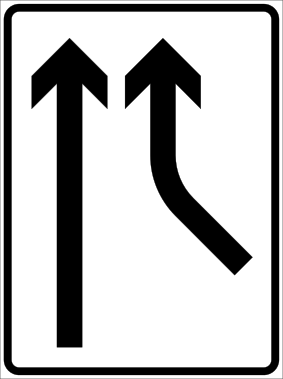
534
Kjørefelt begynner
Lane begins
Kjørefelt begynner (lane begins): an information sign showing that a new traffic lane starts.
536
Påkjøring fortsetter i eget kjørefelt
Merging traffic continues in separate lane
Påkjøring fortsetter i eget kjørefelt (slip road continues as its own lane): the sign tells you the entry lane carries on as a separate traffic lane.
538
Kjørefeltinndeling
Lane division
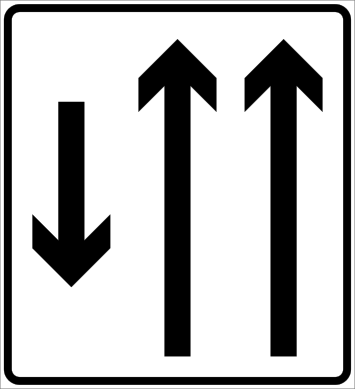
Kjørefeltinndeling (lane layout): the sign shows how many lanes the carriageway has and the direction of travel for each lane.
539
Endret kjøremønster
Changed traffic pattern
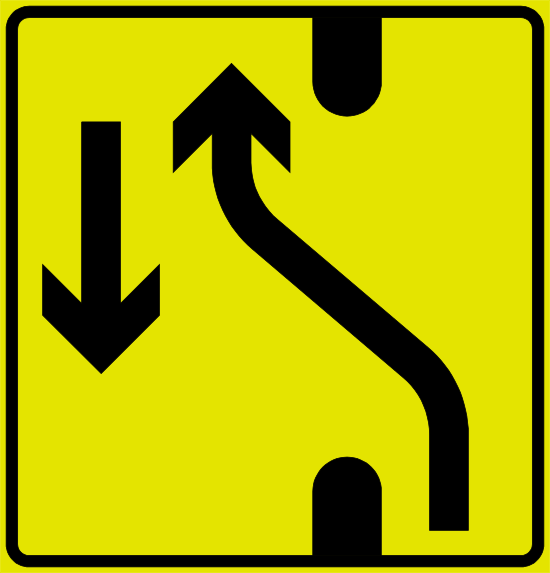
Endret kjøremønster (changed traffic pattern): an information sign warning that the traffic pattern here has been altered.
540
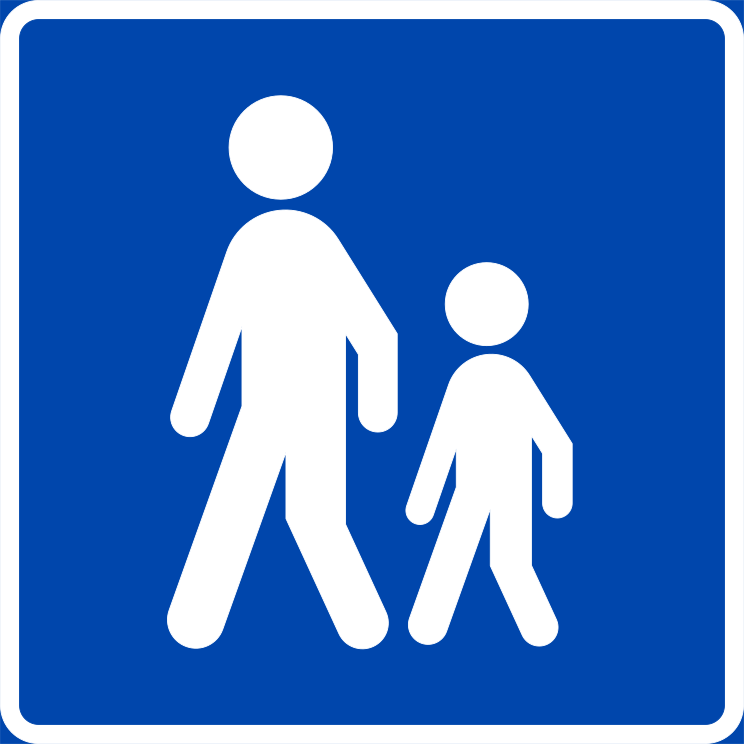
Gatetun
Home zone
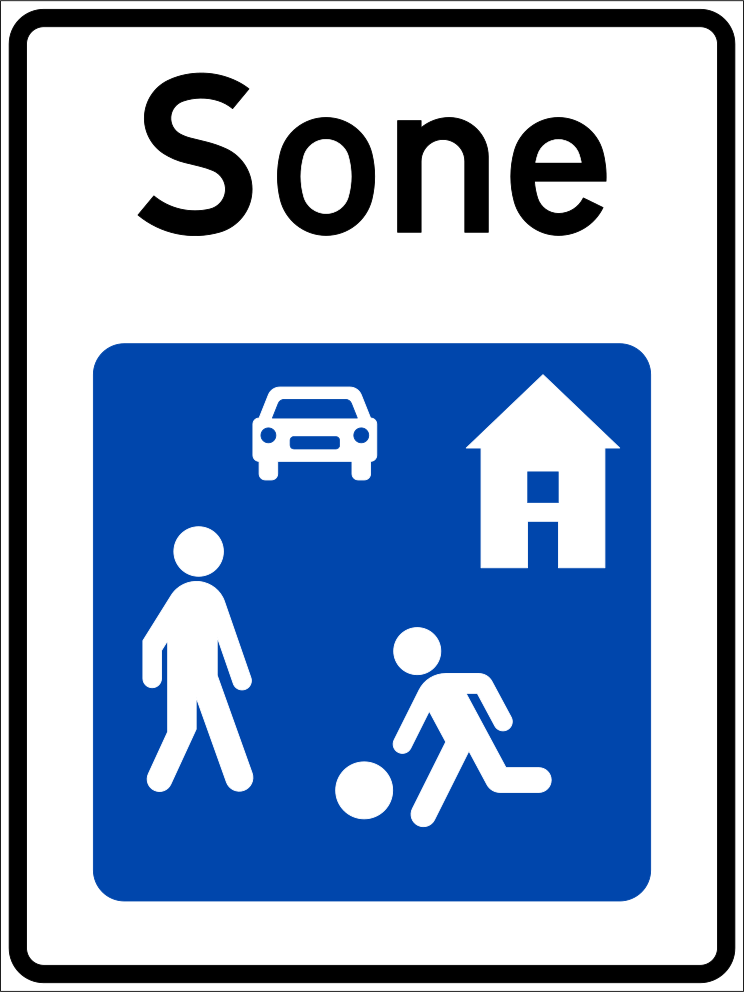
Gatetun (home zone): drive at walking pace and give way to pedestrians; parking is allowed only in specially marked spots. Obstacles are not specially marked, and the sign lasts until sign 542 «Slutt på gatetun» (trafikkreglene §§ 9, 13 and 17).
542
Slutt på gatetun
End of home zone
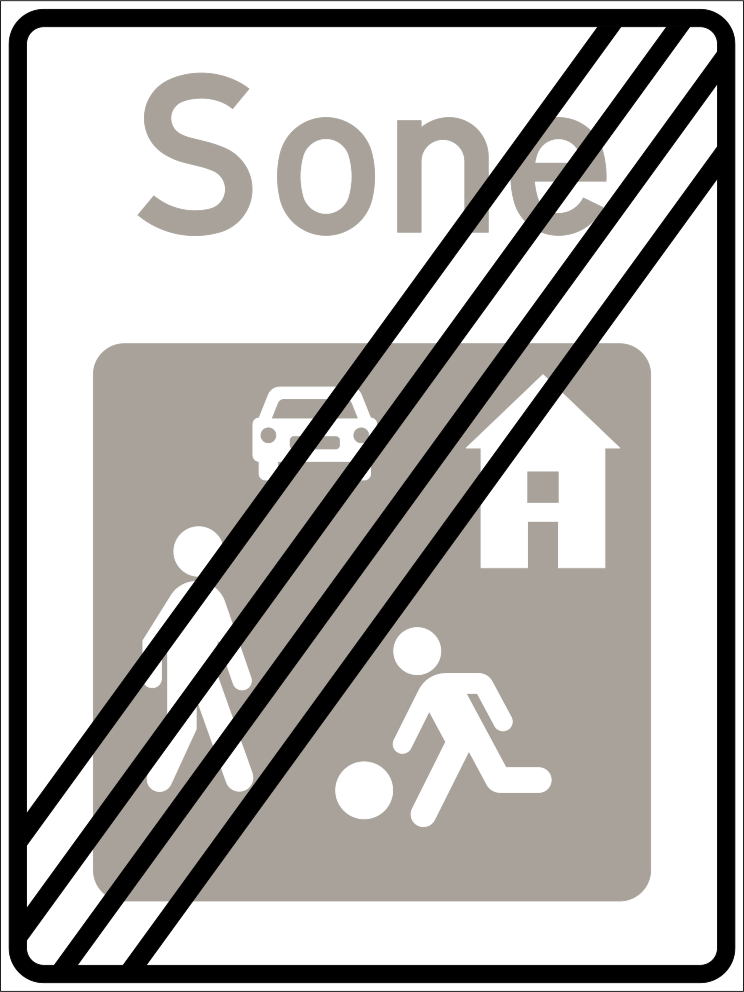
Slutt på gatetun (end of home zone): the gatetun ends and the ordinary traffic rules apply again.
548
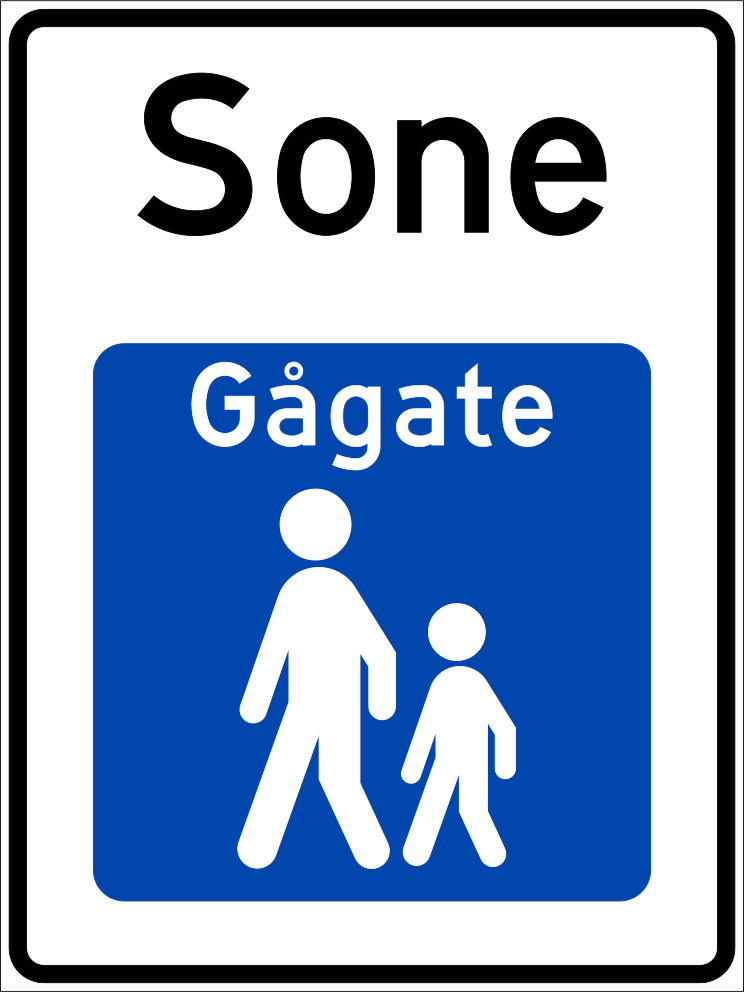
Gågate
Pedestrian street
Gågate (pedestrian street): motor vehicles are banned in the area, except small electric vehicles. Anyone who does drive there keeps to walking pace and gives way to pedestrians; parking is banned. The sign lasts until sign 550 «Slutt på gågate» (trafikkreglene §§ 9, 13 and 17).
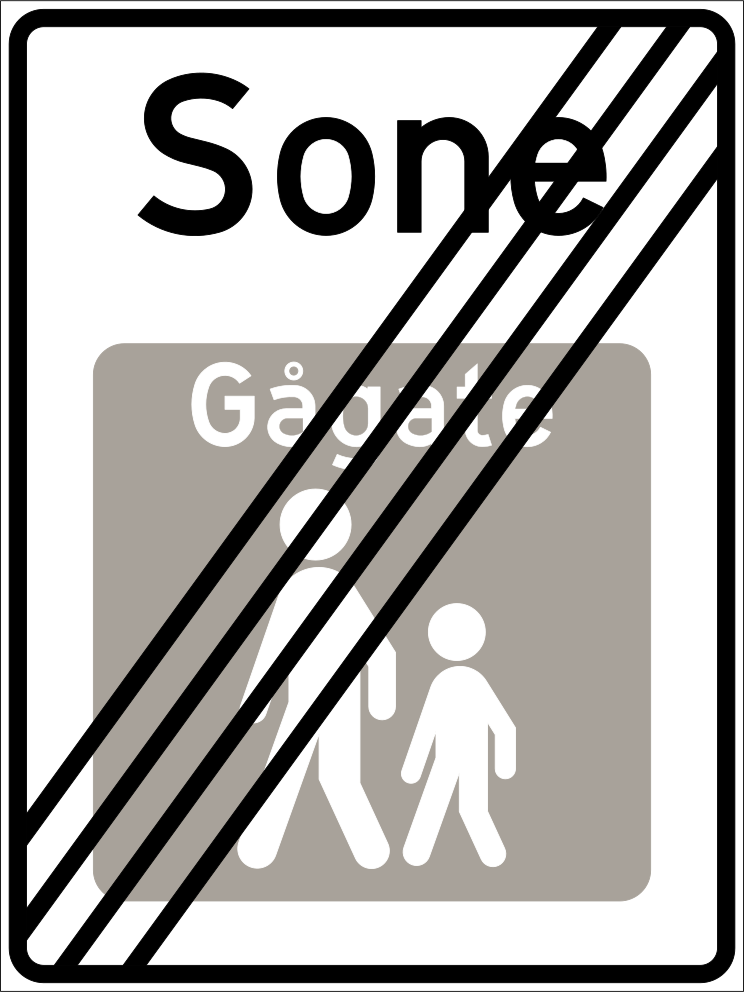
550
Slutt på gågate
End of pedestrian street
Slutt på gågate (end of pedestrian street): the gågate ends and the ordinary traffic rules apply again.
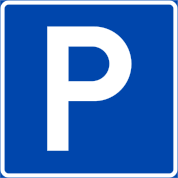
552
Parkering
Parking
Parkering (parking): parking is allowed here as long as it does not conflict with the trafikkreglene rules on stopping and parking; the sign covers the whole marked area, or only the side of the road it stands on, up to the nearest junction or a new sign.
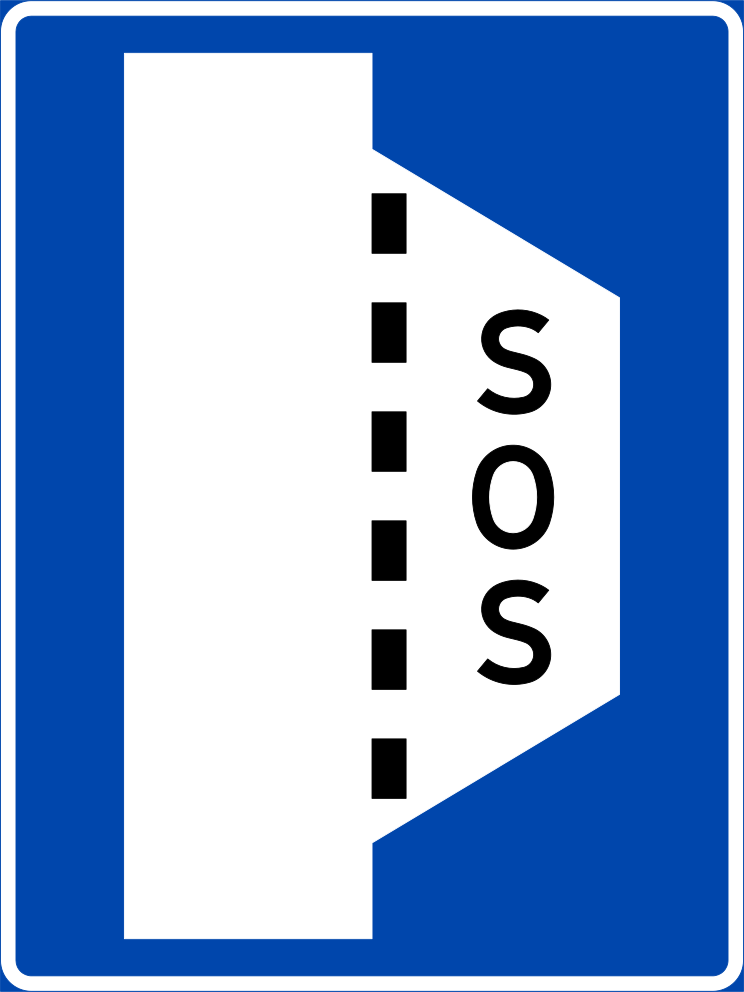
555
Havarilomme
Emergency bay
Havarilomme (emergency lay-by): marks a lay-by beside the road for use in a breakdown or emergency.
556.1
Automatisk trafikkontroll – punktmåling
Automatic traffic control – point measurement
Automatisk trafikkontroll – punktmåling (automatic speed check, spot measurement): warns of an automatic speed camera measuring speed at a single point.
556.2
Automatisk trafikkontroll – strekningsmåling
Automatic traffic control – section measurement
Automatisk trafikkontroll – strekningsmåling (average-speed check): warns of automatic control measuring your average speed over a stretch of road.
558
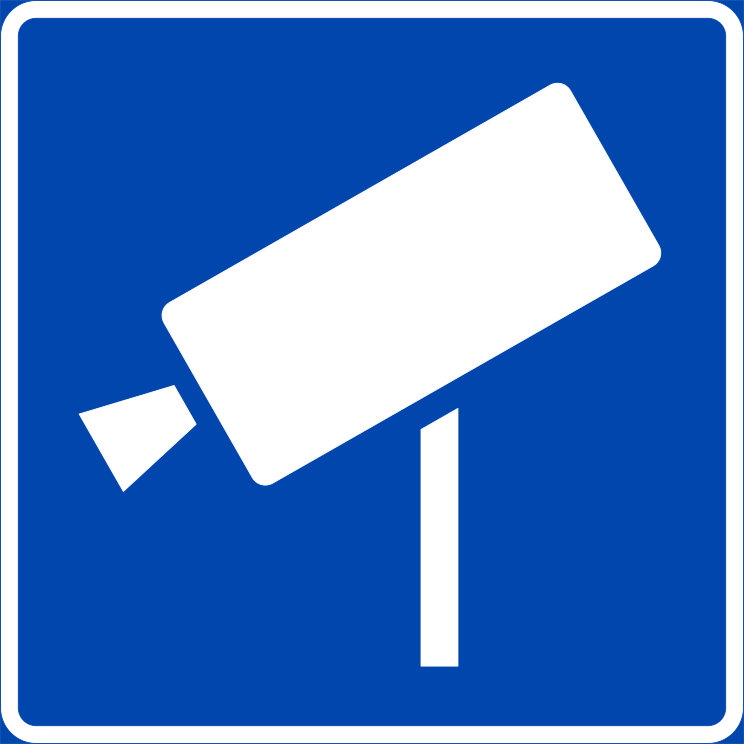
Videokontroll/-overvåking
Video control/surveillance
Videokontroll/-overvåking (video monitoring): the sign informs you that the place or stretch is under video surveillance.
560
Opplysningstavle
Information board
Opplysningstavle (information board): gives information about road and traffic conditions that other signs cannot convey, with the background colour varying by type of information.
565
Feil kjøreretning
Wrong direction of travel
Feil kjøreretning (wrong way): the sign warns that you are travelling in the wrong direction on this road.
570.1
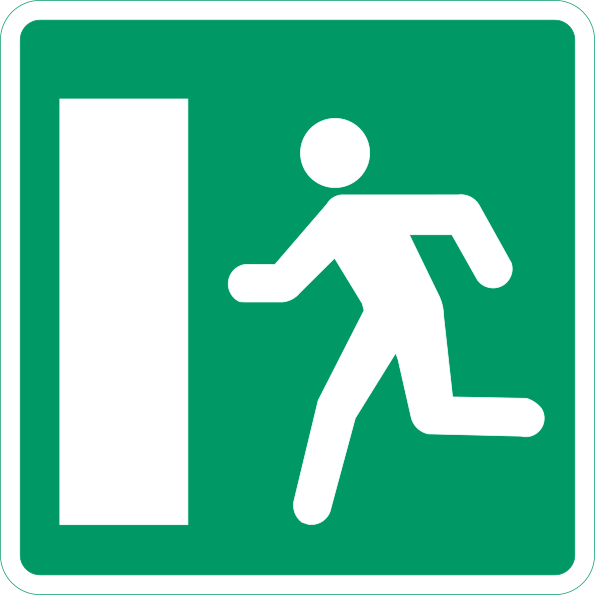
Nødutgang
Emergency exit
Nødutgang (emergency exit): one of the two tunnel emergency-exit signs (nødutgangsskilt for tunnel) — this one stands at the exit itself.
570.2
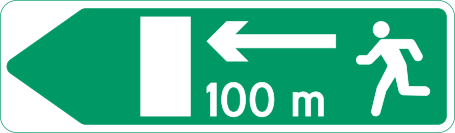
Retning og avstand til nødutgang
Direction and distance to the emergency exit
Retning og avstand til nødutgang: the second tunnel emergency-exit sign — it shows which way and how far it is to the nearest exit.
Illustrations are official figures from skiltforskriften (Lovdata), vector artwork from Wikimedia Commons (public domain), and our own vector renderings based on official figures. Translations, explanations, and advice are our unofficial study aids; only the Norwegian statute text carries legal force.
FAQ
Can an information sign introduce a prohibition?
Yes — that is fundamental to the class under skiltforskriften: opplysningsskilt announce that special rules (including prohibitions and obligations) take effect or terminate. For example, sign «gågate» establishes a pedestrian street with all its strict vehicle prohibitions.
How far does a regime announced by an information sign apply?
Typically until the matching «slutt» sign (e.g. end of motorway, end of residential zone, end of pedestrian street). Where a sign has a specific zone of validity, it is detailed in its description.
Why is sign 516 «gangfelt» needed if the zebra marking is visible?
Sign 516 identifies the pedestrian crossing itself; it is not an advance-warning sign. It helps identify the crossing when markings are obscured. At a crossing not controlled by police or signals, drivers must give way to pedestrians on it or about to enter it.