Before entering
- Check route restrictions and closure information before travelling.
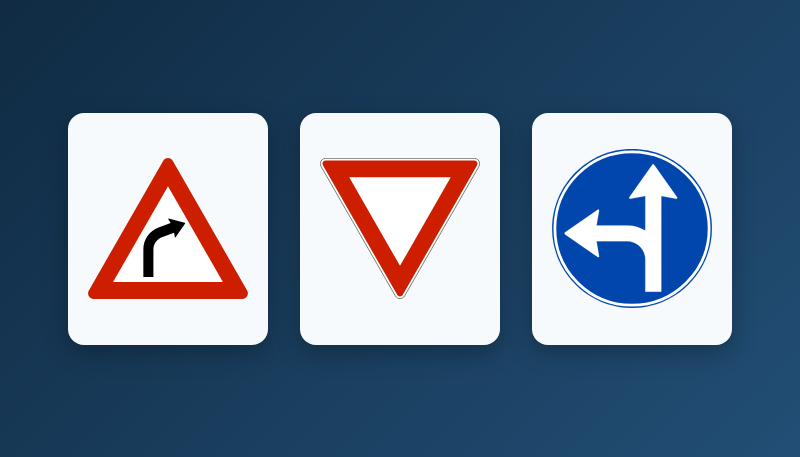
- Read the signs and signals at the portal.
- A lowered barrier or flashing red light means you must not enter, even if no obstruction is visible.
- Do not follow another driver through a closure.
- Stop before the entrance when required without blocking emergency access.
Lights and visibility
Your rear lights must be on in a tunnel.
Daytime running lights may not provide this: check the lighting mode and select dipped headlights manually if necessary. Do not assume Auto always reacts in time. If sunglasses reduce visibility, remove them safely in advance rather than handling them while negotiating a bend.
While driving
Respect the limit and leave enough following distance to stop when traffic slows.
An apparently empty tunnel is not a reason to close the gap. Notice emergency lay-bys, telephones and escape-route signs. Listen for traffic information on the radio when available. A routine turn because you missed a route is not the same as emergency evacuation: follow emergency signals and instructions when an incident occurs.
If the car breaks down
- Switch on hazard lights and move into an emergency lay-by or to the side if you can do so safely.
- Check traffic before getting out and wear a reflective vest.
- Use an accessible emergency telephone: it identifies the tunnel and call location to the control centre.
- Do not put yourself in danger to reach one; if it is inaccessible, summon help another available way and explain your location.
Fire or smoke
Leave the dangerous area promptly instead of waiting in the car for rescue.
Statens vegvesen advises driving out if possible; otherwise leave the vehicle at the side with hazards on and evacuate on foot. Do not attempt to drive through smoke or flames. Follow escape-route signs and emergency instructions. Do not delay to collect luggage or film the incident.
Emergency equipment
Emergency phones and extinguishers are signposted.
Using an extinguisher installed in the tunnel automatically triggers an alarm at the traffic control centre. This is not a reason to delay evacuation or take risks fighting a fire. Do not return for belongings or assume a newly clear route is safe; wait for permission from the responsible services.